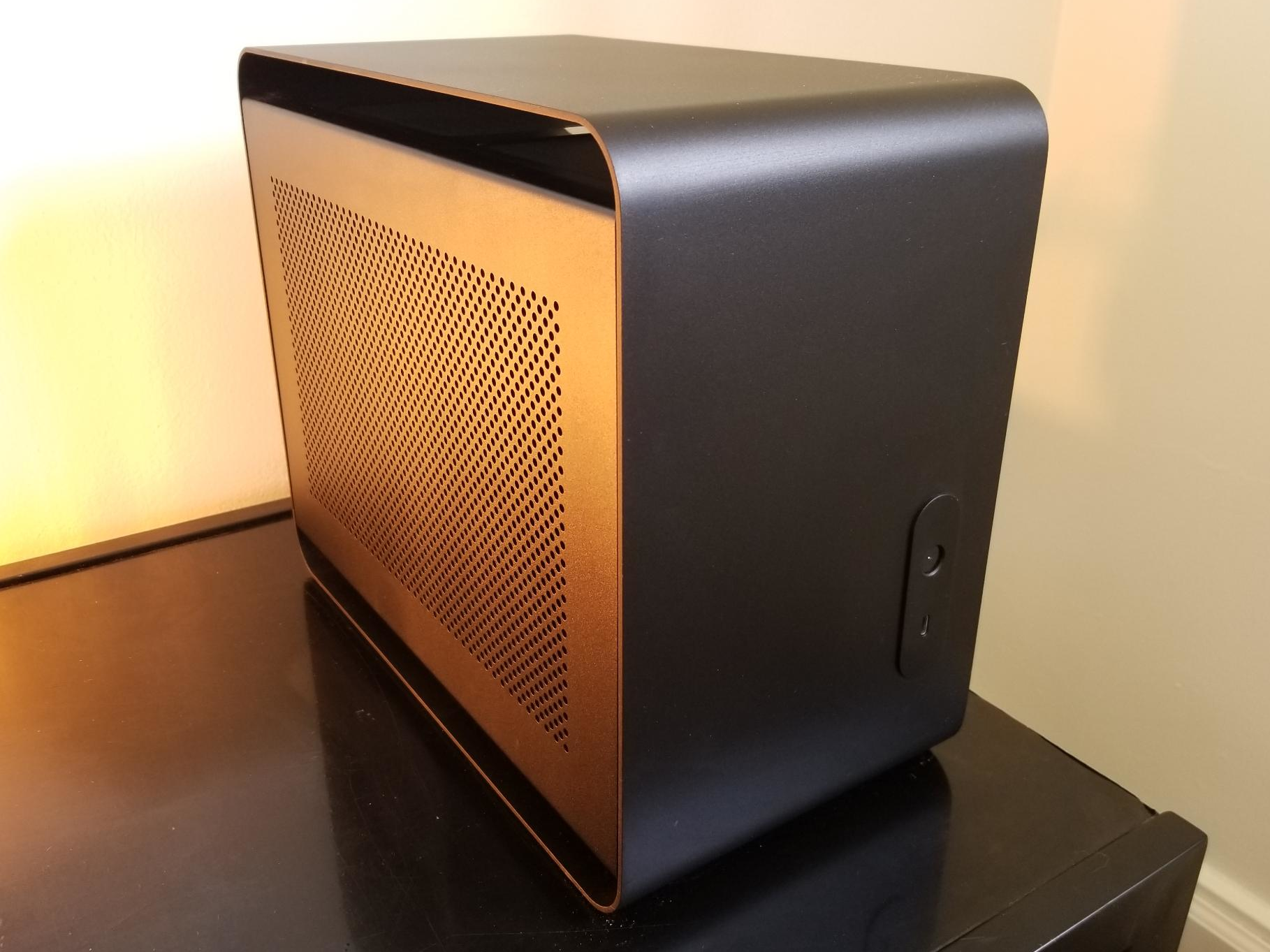
A homelab is a space within a computer to play and learn in. It allow one to quickly and easily build and conduct experiments for the price of a little bit of electricity and time. Its a place where one can create before deciding if to continue or burn it all to the ground. A homelab is a blank slate and a playground.
I began my adventure towards a homelab long before I knew that I wanted all of this.
Personal History
I began tinkering with operating systems out of necessity rather than interest as my college laptop began to struggle under the weight of Windows 8. I was experiencing intermittent system crashes and elongated loading times. Unfortunately, I was a poor broke college student so purchasing a new machine was out of the question. Fortunately, my college was offering free windows keys for windows 10 so I undertook the effort to learn how to boot my computer into the new operating system. Windows 10 managed to fix my crashing issues, but I was not satisfied with the performance gains so after living with the pain for a while I turned my attention to the next option, Linux.
Initially, I was a distro hopper. I ran a Linux Mint machine for a while before I moved to Ubuntu. I later jumped to Kali Linux because I wanted to play with some of the hacking tools that came with it built in. I was absolutely infatuated with Linux. I was constantly learning, programming, and exploring all of the aspects of a operating system that I never knew existed. Switching from distro to distro taught me the similarities and differences within the Linux ecosystem.
Around when all of this was happening, I bought a Raspberry PI because I wanted to use it as a retro gaming system. Unfortunately, it did not live up to my gaming standards, but I began exploring networking and small scale distributed computing.
Shortly afterwards, I stumbled upon the idea of a homelab - A computer that acts as a playground for whatever madness or services I wanted. With my sense of exploration and endless curiosity, I dug into learning more about hypervisors and Proxmox. It was not long until I had made up my mind to build a homelab for myself.
Current State
I designed and built my homelab to be a workhorse in the body of a stallion. It has power, speed, storage, while being contained within a small, sleek, and silent form factor. I’m proud to say that my system both barely breaks a sweat with all of the workload that I give it and suites my living space so I leave it out on display.
I absolutely recommend to anyone who wants to learn a thing or two about computers that they proudly create a playground of their own. It can be as simple as a virtual machine on their laptop or a small as a Raspberry PI. All they need is a computer with some extra space and before you know it they will have created their own little homelab.